Need a NEC Formula Lawyer? Here's Your Legal Dream Team

Nec Formula Lawyer: Top 5 Dream Teams for 2025 Success

Why Finding the Right NEC Formula Lawyer Could Change Everything

A nec formula lawyer specializes in representing families whose premature infants developed necrotizing enterocolitis (NEC) after being fed cow's milk-based formulas like Similac and Enfamil. These attorneys handle complex product liability cases against major formula manufacturers who allegedly failed to warn about NEC risks.

Top NEC Formula Lawyers You Need:
- Mass tort specialists with $500M+ in NEC verdicts
- NICU medical experts who understand formula feeding protocols
- Contingency fee attorneys (no upfront costs)
- MDL experience in federal multidistrict litigation
- Compassionate advocates for grieving families

The stakes couldn't be higher. NEC affects approximately 1 in 2,000 to 4,000 newborns, with mortality rates reaching 25-40% in severe cases. Recent landmark verdicts include a $495 million jury award in July 2024 against Abbott Laboratories and a $60 million verdict against Mead Johnson in March 2024.

These cases center on a devastating reality: studies show NEC is 6 to 10 times more common in formula-fed preterm infants compared to those receiving breast milk alone. The American Academy of Pediatrics issued a 2012 policy statement recommending exclusive human milk diets for premature infants due to these risks.

I'm Tim Burd, founder of Justice Hero and Mass Tort Strategies, where we've helped connect thousands of families with qualified legal representation in complex medical litigation. Through my experience managing enterprise-level legal services, I've seen how the right nec formula lawyer can make the difference between a family struggling alone and finding the justice they deserve.
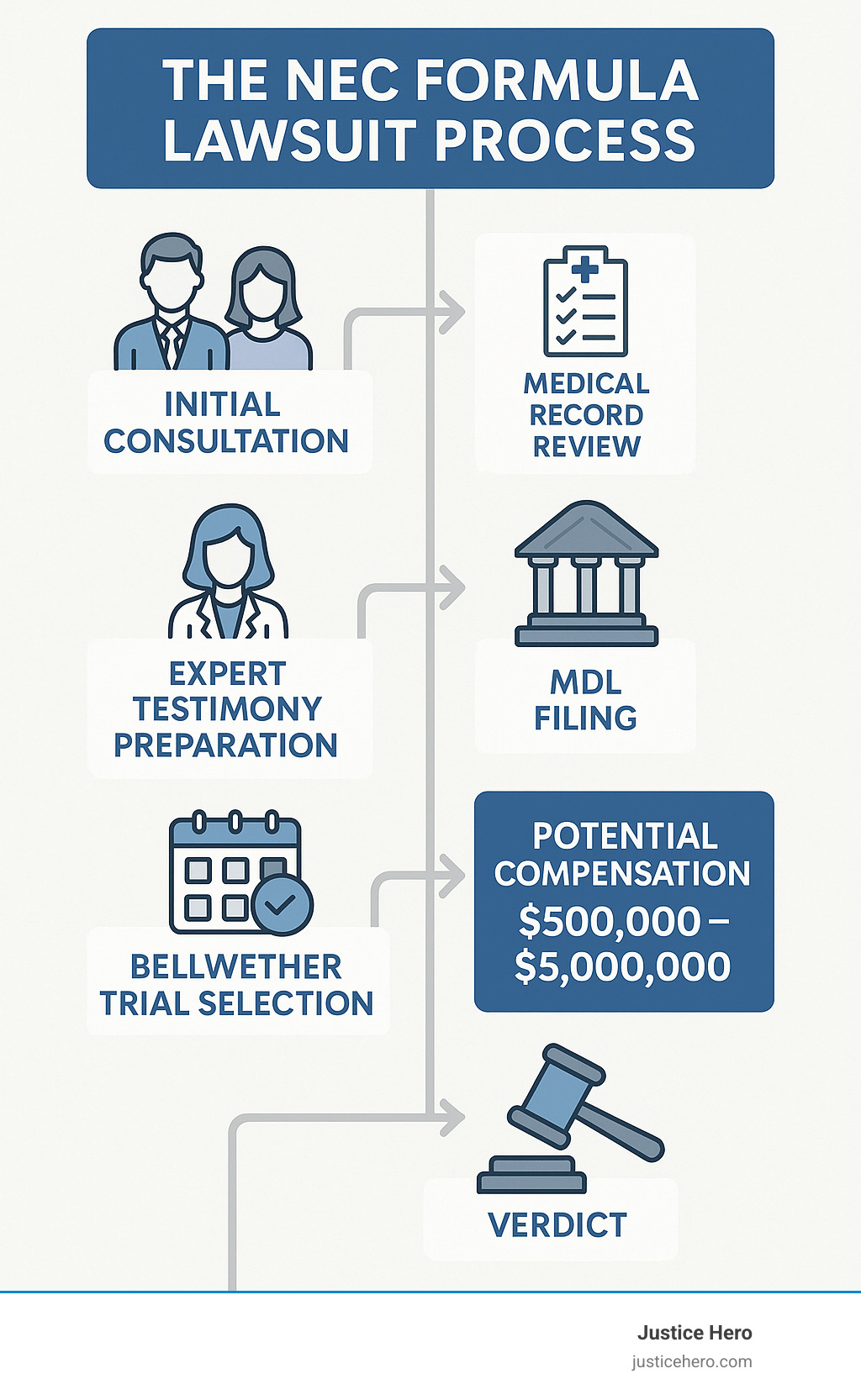
Comprehensive infographic showing the NEC formula lawsuit process from initial consultation through verdict, including key milestones like medical record review, expert testimony preparation, MDL filing procedures, bellwether trial selection, and potential compensation ranges - nec formula lawyer infographic

Know your nec formula lawyer terms:
- NEC baby formula recall
- necrotizing enterocolitis class action lawsuit
- nec infant formula

Why You're Here

We understand you're not here by choice. You're searching for a nec formula lawyer because your family has endured something no parent should face - watching your premature baby suffer from a devastating illness that could have been prevented. Your search intent is clear: you want justice, accountability, and compensation for the harm done to your child.

The path to justice starts with understanding your rights and connecting with attorneys who have the expertise, resources, and compassion to fight for your family.

NEC 101: The Medical & Scientific Backdrop

Necrotizing enterocolitis is a serious gastrointestinal disease that primarily affects premature infants, causing inflammation and tissue death in the intestinal wall. The condition can lead to intestinal perforation, sepsis, and in the most tragic cases, death.

The medical evidence is clear and damning. Research dating back to 1990 has consistently shown that cow's milk-based formulas significantly increase NEC risk in premature infants. A landmark study published in The Lancet found that NEC was 6 to 10 times more common in exclusively formula-fed infants compared to those receiving breast milk alone.

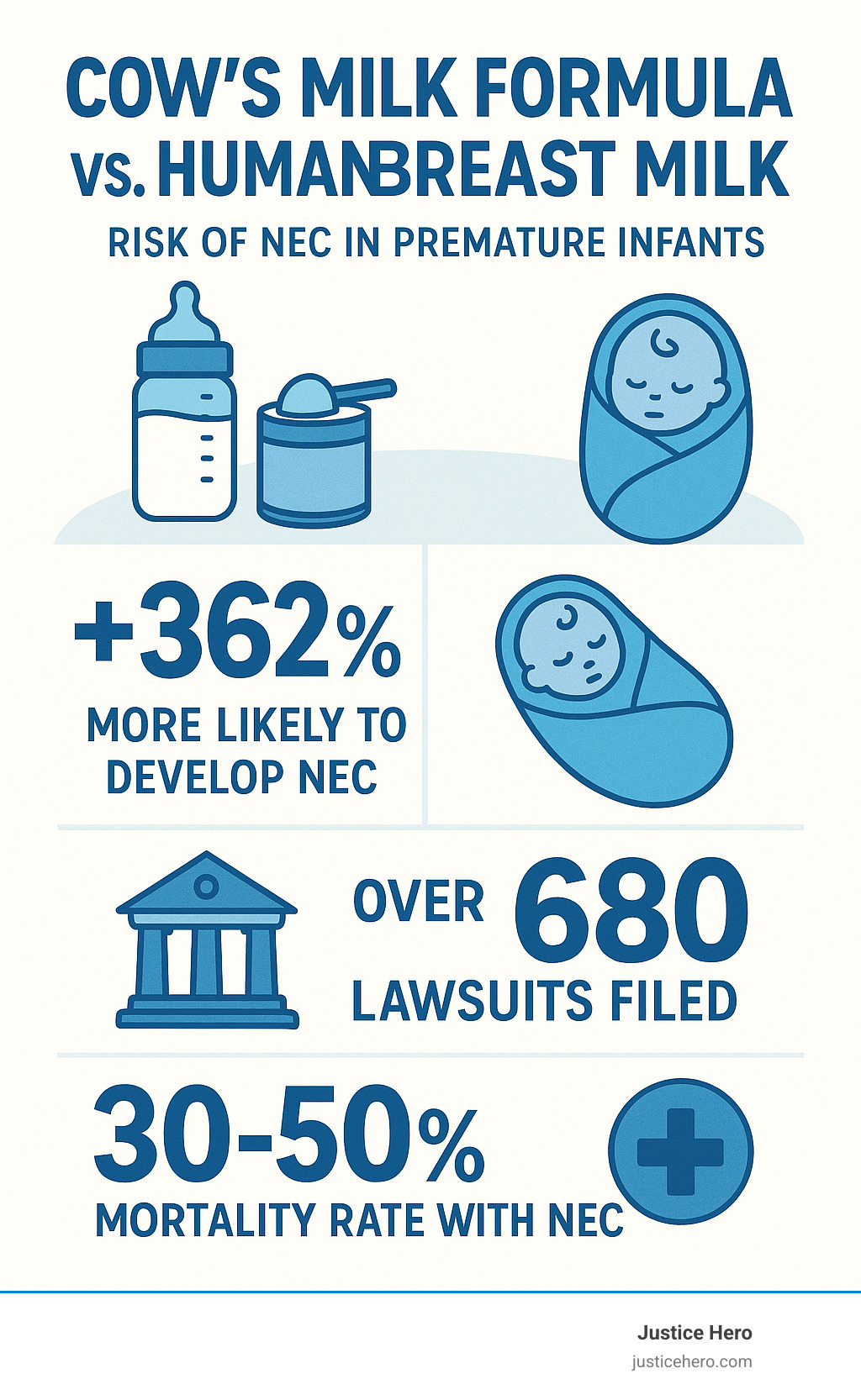
More recent studies show the rate of NEC was 362% higher in infants fed cow-based baby formula compared to those fed human breast milk. These aren't small statistical variations - these are massive increases in risk that should have prompted immediate action from formula manufacturers.

The mortality statistics are sobering. NEC can be fatal in approximately 25% of cases in newborn children, and medical costs can often reach $500,000 for a single child.

The American Academy of Pediatrics recognized these risks and issued a policy statement in 2012 recommending that all premature infants be provided an exclusive human milk diet due to the risk of NEC associated with cow's milk products.

Key Symptoms & Diagnosis

NEC symptoms can develop rapidly and require immediate medical intervention. Parents and medical staff should watch for:

The diagnosis typically involves X-rays to check for intestinal damage, blood tests to detect infection, and careful monitoring of vital signs. In severe cases, emergency surgery may be required.

Proven Link to Formula

The connection between cow's milk-based formulas and NEC isn't theoretical - it's scientifically established. The primary culprits in current litigation include:

Similac Products:
- Similac Special Care 20, 24, and 30
- Similac NeoSure
- Similac Human Milk Fortifier

Enfamil Products:
- Enfamil Premature 24/30 Cal
- Enfamil Human Milk Fortifier
- Enfamil NeuroPro EnfaCare

These products were specifically marketed for premature infants in NICUs, despite mounting evidence of their risks.

How a NEC Formula Lawyer Builds Your Case

attorney consultation meeting - nec formula lawyer

When you sit down with a skilled nec formula lawyer, you're partnering with someone who understands that behind every case is a family that's been through unimaginable trauma. These attorneys know that building a strong case requires both sharp legal skills and genuine compassion.

The heart of every NEC case lies in proving failure to warn. Your attorney will demonstrate that formula manufacturers knew about the serious risks their products posed to premature babies, yet continued selling them without adequate warnings. With scientific evidence dating back to 1990, this isn't about what companies didn't know - it's about what they chose to ignore.

Your nec formula lawyer will also pursue punitive damages - compensation that sends a clear message that putting profits over baby safety won't be tolerated. The recent $400 million in punitive damages awarded against Abbott shows that juries are ready to hold these companies accountable.

The case investigation process starts with your attorney diving deep into your child's medical records, tracing every detail of your baby's NICU stay and documenting exactly which formulas were used. Expert testimony forms the backbone of your case, with respected neonatologists explaining to juries exactly how cow's milk-based formulas increase NEC risk.

NEC Lawsuit

Evidence Checklist for Your nec formula lawyer

Your attorney will need thorough documentation to build the strongest possible case. The most important evidence includes your baby's complete hospital records from birth through discharge, including NICU charts with feeding logs showing exactly which formula products your child received.

Your attorney will also need all diagnostic tests and lab results that led to the NEC diagnosis, including X-rays showing intestinal damage. Financial documentation helps calculate the full impact, including medical bills, insurance records, and expenses related to extended hospital stays.

Don't worry if you feel overwhelmed by paperwork - experienced nec formula lawyers know how to track down missing records and piece together your child's story through legal processes.

Statute of Limitations & Jurisdiction

Time limits for filing NEC lawsuits vary by state, which is why connecting with a nec formula lawyer quickly is important. In Missouri, families typically have three years from the date they finded the connection between formula and their child's NEC to file a claim.

Most NEC formula cases are being handled together in MDL 3026 in federal court. As of June 2024, there were 514 pending cases in this multidistrict litigation, which allows families to benefit from shared findy while preserving individual rights to trial.

This consolidation has produced powerful results. The recent $495 million verdict and $60 million verdict in bellwether trials have strengthened the position of all families in the litigation.

Dream Team: Choosing the Best NEC Formula Lawyer for Your Family

compassionate legal team consultation - nec formula lawyer

Finding the right nec formula lawyer isn't just about hiring legal help - it's about finding someone who truly understands what your family has been through. Your baby's fight in the NICU was a life-changing experience that deserves an attorney who gets it.

The best NEC formula lawyers have walked this path before with other families. They understand that behind every case file is a parent who spent sleepless nights watching monitors. They know that $495 million verdicts like the one won against Abbott Laboratories represent justice for families who deserved better.

These attorneys combine deep mass tort experience with genuine compassion. They work with top medical experts and have the trial experience to take on billion-dollar companies when settlement offers fall short.

Meet Your nec formula lawyer Dream Team

The attorneys winning these cases refuse to back down from big corporations. The $495 million Abbott verdict took lawyers with the courage to take the case all the way to trial. Your ideal nec formula lawyer has proven they can handle the pressure with significant verdicts and settlements in similar cases.

These lawyers work differently. They invest in medical experts who understand NICU care, have dedicated support teams for complex hospital records, and offer contingency fee arrangements so your family never pays unless you win.

The top attorneys understand that NEC cases often involve families who've moved between states for specialized medical care. They're licensed to practice in multiple jurisdictions or work with qualified local attorneys.

Most importantly, they treat every family with respect, return phone calls promptly, explain things clearly, and never forget that behind every case is a family that's been through something no parent should face.

Questions to Ask Before You Sign

Before you hire any attorney, you need straight answers. Start with their experience level - how many NEC cases have they handled and what results have they achieved? Generic mass tort experience isn't enough.

Ask about their medical experts and communication practices. Don't forget about resources - do they have the budget for top experts and can they afford to take your case to trial? Finally, get clear answers about fees and costs with transparent fee agreements.

Red Flags to Avoid

Hidden costs are a major red flag. Legitimate nec formula lawyers work on contingency with clear fee agreements. Be careful of attorneys who don't understand the medical side or use pressure tactics. Poor communication during consultation won't improve after you hire them. Avoid attorneys who focus only on quick settlements without proven trial experience.

Compensation & Lawsuit Status Snapshot
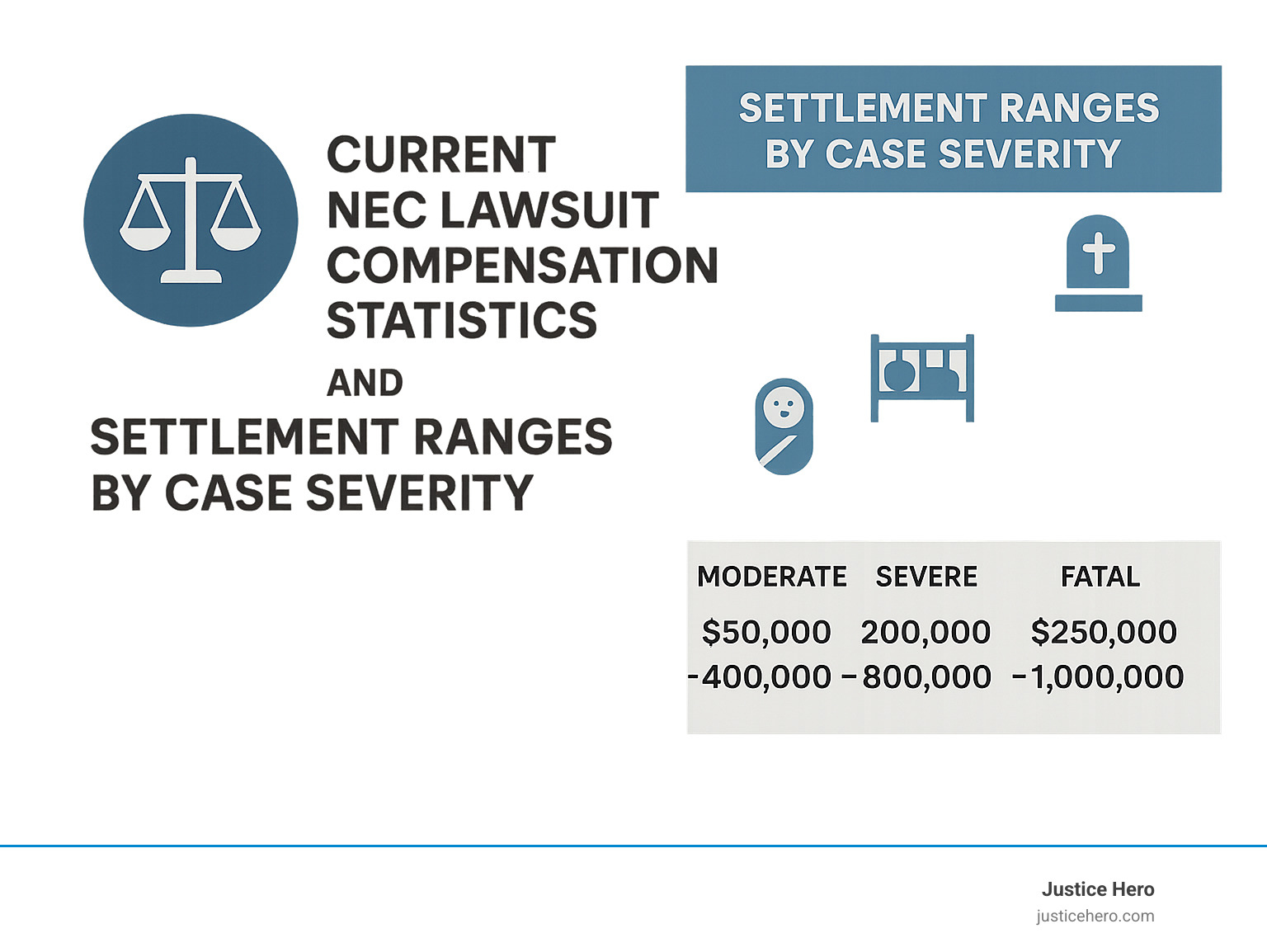
Current NEC lawsuit compensation statistics and settlement ranges by case severity - nec formula lawyer infographic

The numbers tell a powerful story. When juries see the evidence in NEC formula cases, they respond with verdicts that reflect both the devastating harm to families and their outrage at corporate conduct.

The recent landmark verdicts have changed everything for NEC litigation. In July 2024, a jury awarded $495 million against Abbott Laboratories - $95 million for actual losses and $400 million in punitive damages. Just months earlier, another Illinois jury awarded $60 million against Mead Johnson in March 2024.

These represent justice for families who trusted these companies with their most vulnerable babies. The medical costs alone justify significant compensation. Scientific research on treatment costs shows that treating a single NEC case can cost up to $500,000 - just for immediate medical care.

Your nec formula lawyer will fight to recover every dollar your family deserves, understanding that proper compensation can provide security for your child's future.

What Families Can Recover

Medical expenses form the foundation of most awards, including every hospital bill and surgical procedure. Future medical care costs often represent the largest portion of awards for children needing ongoing treatment.

The emotional and physical suffering your child endured matters deeply to juries. Courts recognize that premature infants experience significant pain and suffering during treatment, and parents suffer tremendous emotional distress.

Lost wages and travel expenses add up during lengthy hospital stays. Punitive damages send the strongest message - the $400 million punitive award against Abbott reflected the jury's belief that massive financial penalties were necessary.

In tragic cases where NEC proves fatal, wrongful death damages help families while recognizing the immeasurable loss of a child's life.

Current Litigation Milestones

The momentum continues building as more families learn about their legal rights. The federal MDL has grown from 78 cases in June 2023 to over 683 cases as of April 2025, showing NEC is a widespread public health crisis.

Bellwether trials create powerful precedents, and the massive verdicts have strengthened negotiating positions for all families. Settlement discussions are happening behind the scenes, though no global settlement has been announced. The litigation landscape changes monthly as new cases are filed and trial dates approach.

Frequently Asked Questions about NEC Formula Litigation

Why do I need a nec formula lawyer?

If your baby developed NEC after being fed formula in the NICU, you're facing one of the most challenging legal battles imaginable. These aren't simple personal injury cases - they're complex medical product liability lawsuits that require specialized knowledge most attorneys simply don't have.

Think about what you're up against. Formula manufacturers like Abbott and Mead Johnson have teams of experienced defense attorneys and virtually unlimited resources. They've been fighting these cases for years and know every possible defense strategy. Without equally skilled representation, your family doesn't stand a fair chance.

A specialized nec formula lawyer brings critical advantages that can make or break your case. They work with leading neonatologists and pediatric specialists who understand exactly how cow's milk-based formulas trigger NEC in premature infants. These medical experts can explain complex scientific concepts in ways that juries understand and connect with.

The financial investment required is staggering. Top firms spend hundreds of thousands of dollars on individual cases for expert witnesses, medical record analysis, and trial preparation. Most families simply can't afford this level of litigation support on their own.

Beyond the legal expertise, the best NEC attorneys understand the emotional trauma your family has endured. They know that behind every case file is a family that has watched their premature baby fight for life. This isn't just about money - it's about holding corporations accountable for putting profits over infant safety.

Is there a recall on the formulas involved?

This is one of the most frustrating aspects of the entire situation. No, there is currently no recall of Similac or Enfamil products specifically related to NEC risk, despite overwhelming scientific evidence of the dangers.

You might remember that in February 2022, certain Similac powdered formulas were recalled due to Cronobacter contamination, which resulted in several infant illnesses and deaths. But when it comes to the NEC risk that's been documented in medical literature since 1990? Silence.

The absence of an NEC-related recall actually strengthens your legal case rather than weakening it. It demonstrates that manufacturers are continuing to market products they know pose serious risks to vulnerable premature infants. They're choosing to ignore the American Academy of Pediatrics' 2012 recommendation for exclusive human milk diets in favor of protecting their profits.

This is exactly why families need legal representation. When manufacturers won't voluntarily protect infants, the courts become the only path to justice and accountability.

How long does a case usually take?

I wish I could give you a simple answer, but NEC formula lawsuits typically take 2-4 years from filing to resolution. I know that feels like an eternity when you're dealing with ongoing medical expenses and emotional trauma, but there are good reasons why these cases take time.

Several factors affect your timeline. If your case is part of the federal MDL (multidistrict litigation), it may move more slowly due to coordinated findy and bellwether trial scheduling. However, individual state court cases sometimes resolve more quickly, depending on local court schedules.

Case complexity plays a huge role. Cases involving wrongful death or severe long-term complications require extensive expert testimony and damage analysis. Your attorney needs time to build the strongest possible case, which means thoroughly reviewing medical records, consulting with experts, and preparing for every possible defense strategy.

The path to resolution varies significantly. Cases that settle may resolve within 18-24 months, while those that go to trial can take 3-4 years or longer. The recent $495 million verdict shows that patience can pay off dramatically, but every family's situation is different.

Your nec formula lawyer should provide realistic timeline expectations based on your specific circumstances and the current status of the litigation. The goal isn't speed - it's getting your family the justice and compensation you deserve.

Conclusion & Free Case Review

Your journey to find the right nec formula lawyer is about more than just legal representation - it's about finding someone who truly understands what your family has been through. The sleepless nights in the NICU, the fear every time monitors beeped, the overwhelming medical decisions you never thought you'd have to make.

The recent $495 million verdict against Abbott and the $60 million award against Mead Johnson prove that justice is possible. These weren't just legal victories - they were statements that companies can't put profits before the safety of our most vulnerable babies.

At Justice Hero, we've spent years helping families steer complex legal challenges. We know that no verdict can bring back the peaceful early days you should have had with your baby. But holding these manufacturers accountable does two important things: it helps your family recover financially, and it forces companies to finally take responsibility for the harm they've caused.

Time is working against you. Every state has different deadlines for filing lawsuits, and waiting too long could mean losing your right to seek justice entirely. The sooner you connect with a qualified attorney, the stronger your case becomes. Hospital records are fresher, medical staff remember details more clearly, and your legal team has more time to build a rock-solid case.

Your child didn't choose to be fed dangerous formula. You trusted that the products in your NICU were safe. That trust was broken, and you deserve answers - and compensation - for what happened.

Most experienced nec formula lawyers offer completely free consultations with no strings attached. You can learn about your legal options without spending a penny or making any commitments. It's literally a conversation that could change your family's future.

You're joining hundreds of other families who are standing up to these corporate giants. The recent jury verdicts show that regular people understand exactly what these companies did wrong. With skilled legal advocates fighting for you, you can focus on what matters most - your child's health and your family's healing.

More info about your legal options

Justice doesn't happen by accident. It happens when families like yours decide they won't let corporations get away with putting profits over babies' lives. Your fight for justice starts with picking up the phone or filling out a simple form online.

Your family has already been through enough. Let experienced legal professionals handle this battle while you focus on moving forward. The first step is always the hardest, but it's also the most important one you'll take.
Formula Trouble Brewing? NEC and Infant Formula Explained

Nec Infant Formula: 10 Alarming Facts Parents Must Know 2025

NEC Infant Formula Risks | Justice Hero

Understanding the Link Between NEC and Infant Formula

Necrotizing enterocolitis (NEC) and infant formula have been linked in many scientific studies, especially for premature babies:

When a premature infant is born, the gut is still maturing, leaving it open to the inflammation and tissue death that define NEC. Research stretching back to the 1990s confirms formula-fed preemies are 6–10 × more likely to develop NEC than those receiving human milk, yet many hospitals still rely on these products.

Parents often ask why they weren’t warned. Justice Hero founder Tim Burd has helped hundreds of families who are now pursuing justice for NEC injuries linked to cow’s-milk formula.

Infographic showing the risk comparison between cow's milk formula and human breast milk for NEC in premature infants, including statistics on mortality rates, risk increases, and legal cases filed - nec infant formula infographic

Terms related to nec infant formula:
- NEC baby formula recall
- nec formula lawsuits
- necrotizing enterocolitis class action lawsuit

What Is Necrotizing Enterocolitis (NEC)?

When tiny lives are at their most vulnerable, necrotizing enterocolitis (NEC) poses one of the most frightening threats in the NICU. This serious gastrointestinal disease primarily affects premature babies, causing inflammation that can ravage their delicate intestinal tissues. In the worst cases, intestinal cells actually die off, and the bowel wall can tear open, allowing bacteria to escape into the abdomen and bloodstream.

About 1 in 1,000 premature infants develop NEC, but this number climbs dramatically among the smallest babies. For very low birth weight infants—those weighing less than 1500 grams (about 3.3 pounds)—about 10% will face this devastating condition.

Doctors classify NEC severity into three stages:

The mortality statistics are heartbreaking—between 30-50% of infants under 1500 grams who develop NEC don't survive. For extremely tiny babies weighing less than 1000 grams, nearly all cases of advanced NEC prove fatal.

Even for survivors, the journey doesn't end with recovery. About half of babies who overcome nec infant formula-associated infections face lasting health challenges, from short bowel syndrome to growth problems and developmental delays.

Main Symptoms & Complications

Catching NEC early can make all the difference, which is why parents and medical teams watch vigilantly for warning signs:

A swollen, tender belly often appears first, followed by trouble with feedings. Many babies develop bloody stools with a distinctive "currant jelly" appearance. Green vomit might signal an intestinal blockage, while temperature instability, unusual fatigue, and breathing difficulties can indicate spreading infection.

Without prompt treatment, NEC can cascade into life-threatening complications. Intestinal perforation allows bacteria to leak into the abdomen, causing peritonitis and potentially sepsis, a whole-body infection that can be fatal. Survivors often develop short bowel syndrome after surgeons remove damaged intestine, leading to malabsorption issues and growth failure.

The long-term impacts can follow a child for years: intestinal strictures (narrowing from scar tissue), neurodevelopmental delays affecting learning and cognition, and even liver disease from extended reliance on intravenous nutrition.

Beyond the emotional toll, the financial burden is staggering. Treating NEC typically costs between $180,000-$198,000 per baby. When surgery becomes necessary, those costs can soar past $313,000.

While scientific research on NEC symptoms and treatment continues to advance our understanding, prevention remains the most powerful tool we have against this devastating condition.

NEC Infant Formula: How Cow's-Milk-Based Products Raise the Stakes

When it comes to feeding premature babies, the choice between human milk and nec infant formula isn't just a preference—it's a decision that significantly impacts health outcomes. The science is clear: cow's milk-based formulas substantially increase the risk of necrotizing enterocolitis in preemies.

Why does this happen? Premature babies arrive with digestive systems that simply aren't ready for the outside world. Their tiny intestines have immature barriers that are more permeable than they should be. Their immune responses in the gut haven't fully developed. They produce fewer protective digestive enzymes. And they struggle to establish the healthy gut bacteria that protect against inflammation.

When cow's milk proteins enter this vulnerable system, they can trigger inflammatory responses that a full-term baby would handle without issue. For a preemie, this inflammation can quickly cascade into the intestinal damage we see in NEC.

The numbers tell a sobering story. Multiple studies found that premature babies fed cow's milk-based formulas have a 362% higher risk of developing NEC compared to those fed human breast milk. That's not a small difference—it's a dramatic increase in risk for an already vulnerable population.

Researchers have identified several ways nec infant formula might trigger this dangerous condition:

First, it creates dysbiosis—an unhealthy balance of gut bacteria that allows harmful microbes to flourish. Second, the bovine proteins themselves can directly stimulate inflammatory pathways in the immature intestine. Third, formula lacks dozens of bioactive components found in human milk that actively support gut health and immune function.

This evidence is so compelling that back in 2011, the U.S. Surgeon General officially reported that premature infants who aren't breastfed are 138% more likely to develop NEC—a finding that should have changed feeding practices nationwide.

NEC Infant Formula Risk vs. Breast Milk—Key Numbers

The statistics comparing nec infant formula risk to human milk feeding are striking. Among very low birth weight infants (those under 3.3 pounds), between 5-12% develop NEC when fed formula. That rate drops dramatically when these same vulnerable babies receive human milk instead.

A landmark 2009 study found that preterm babies on an exclusively human milk-based diet were 90% less likely to develop surgical NEC compared to those whose diet included cow's milk products. That's not just a reduction—it's nearly eliminating the risk of the most severe form of the disease.

Another study of 483 extremely premature infants found NEC occurred in 9% of formula-fed babies but only 4.2% of those receiving human milk. Each of these studies points to the same conclusion: human milk provides remarkable protection against this devastating condition.

This protection comes from components that are uniquely human and impossible to replicate in formula. Human milk contains special oligosaccharides (HMOs) that feed beneficial bacteria. It's rich in immunoglobulins—antibodies that help fight infection. It contains lactoferrin, a powerful protein that binds iron and limits bacterial growth.

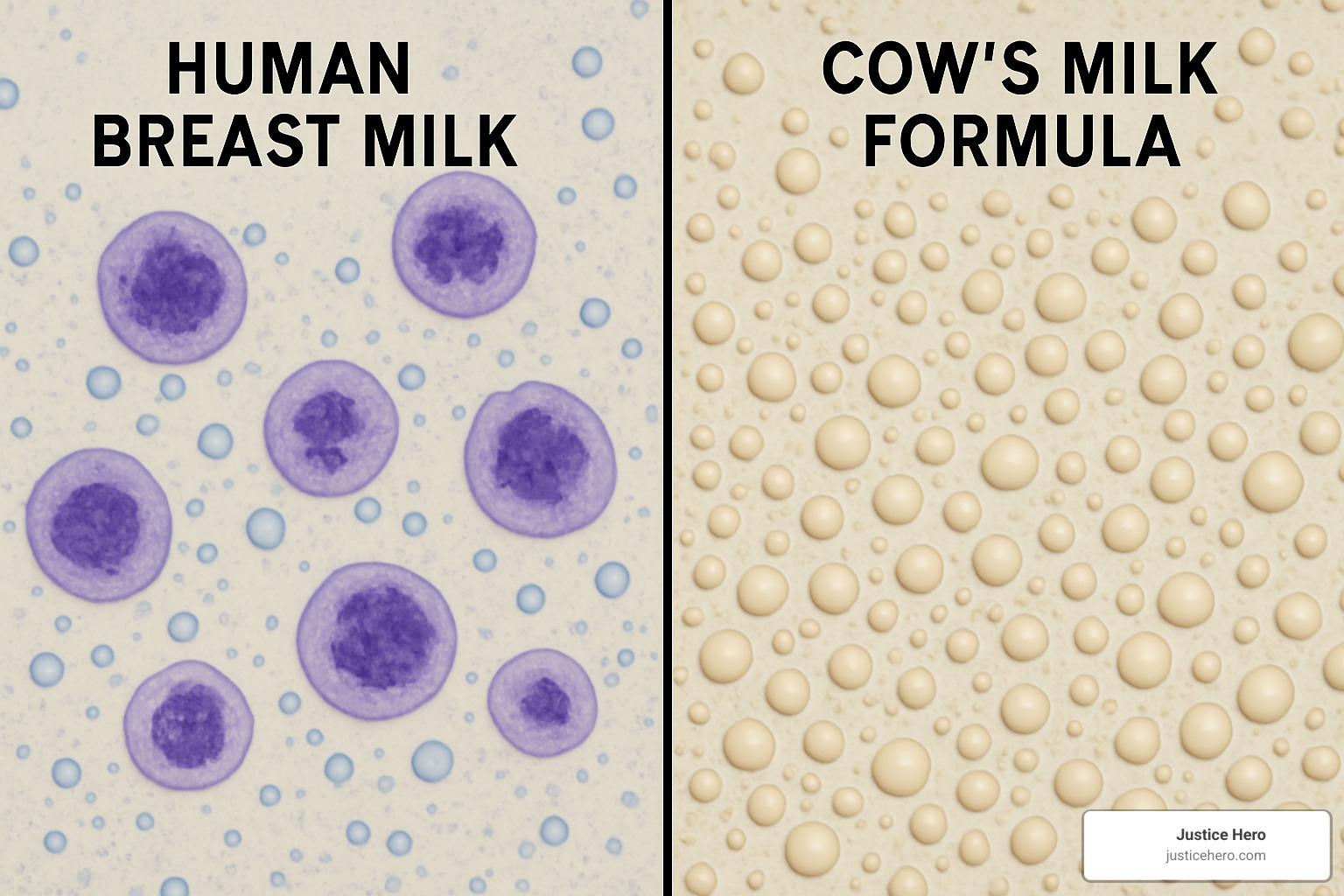
comparison of human milk versus cow's milk formula under microscope - nec infant formula

Even when a mother's own milk isn't available, Scientific research on donor milk benefits confirms that donor human milk is still preferable to cow's milk-based formulas for reducing NEC risk.

NEC Infant Formula Brands & Product Types Implicated

Specific nec infant formula brands and products have been associated with increased NEC risk and named in hundreds of lawsuits. These include both major formula lines made by Abbott Laboratories (Similac) and Mead Johnson (Enfamil).

The Similac products frequently mentioned in lawsuits include Similac Special Care, Similac NeoSimilac Alimentum, Similac Human Milk Fortifier, and Similac Liquid Protein Fortifier. From Enfamil, products like Premature 20, 24, and 30 Cal, Enfamil Human Milk Fortifier, and Enfamil NeuroPro EnfaCare have been implicated.

Both powdered and liquid formulations carry risks, though in different ways. Liquid formulas remain sterile until opened, while powdered formulas are not sterile and may introduce additional contamination risks.

Human milk fortifiers—products added to breast milk to increase calories and nutrients for premature infants—have also been named in lawsuits when they contain cow's milk proteins.

Recent legal verdicts have underscored just how serious these claims are. In July 2024, a jury awarded $495 million to the family of a baby who developed NEC after being fed Similac. Just months earlier, in March 2024, another jury awarded $60 million to a mother whose infant died from NEC after receiving Enfamil formula.

Feeding Strategies That Lower NEC Risk

When it comes to protecting premature babies from NEC, how they're fed makes a world of difference. The evidence couldn't be clearer: human milk is the superhero in this story, with the power to dramatically reduce NEC risk.

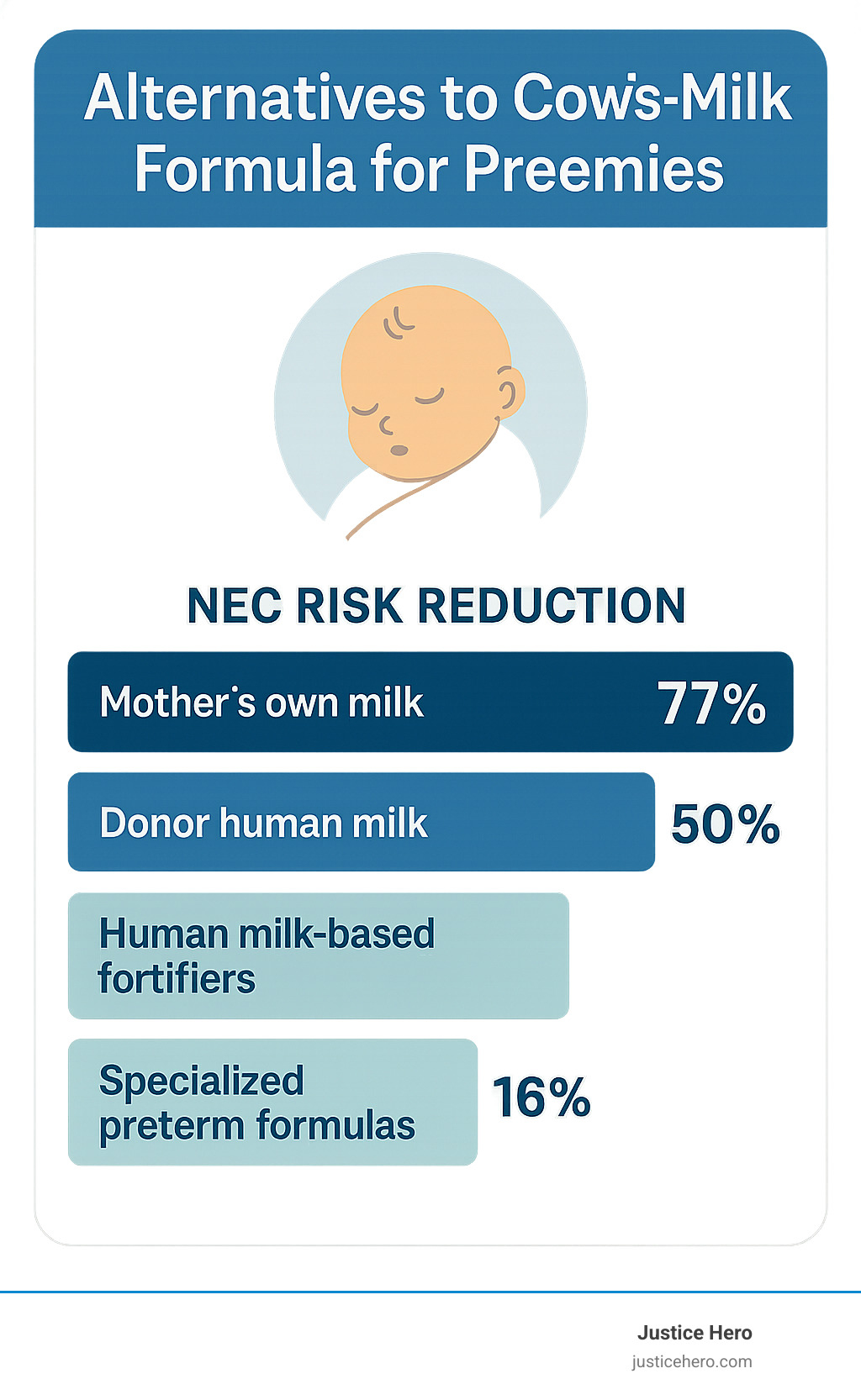
If you're the parent of a preemie, understanding these feeding options can feel overwhelming during an already stressful time. Let me walk you through what medical experts recommend, in order of what works best:

Mother's own milk stands as the gold standard—it's perfectly designed with antibodies and protective factors specifically custom to your baby. When a mother's milk isn't available in sufficient quantities, donor human milk provides the next best protection. If your tiny one needs extra calories or nutrients, human milk-based fortifiers can be added without introducing cow's milk proteins. Only when these human milk options aren't available should specialized preterm formulas enter the conversation.

Hospitals with strong NEC prevention protocols typically implement several key practices that work together to protect vulnerable babies. Starting with early trophic feeding—tiny amounts of milk in the first days of life—helps prime the digestive system. Gradually increasing feeding volumes gives the immature gut time to adjust. Many NICUs now follow standardized feeding protocols that remove guesswork and ensure consistent, evidence-based nutrition practices.

Infographic comparing feeding options for premature infants, showing NEC risk reduction percentages for different feeding strategies - nec infant formula infographic

The numbers tell a compelling story: babies fed an exclusive human milk diet show up to 90% reduction in surgical NEC compared to those receiving nec infant formula. That's not just a statistic—it represents thousands of tiny lives protected from this devastating condition.

You might hear concerns about the cost of donor milk programs. While donor milk and human-based fortifiers do cost more upfront than cow's milk formulas, the math changes dramatically when you consider that treating a single case of NEC can exceed $300,000. Prevention isn't just better medicine—it's more economical too.

Alternatives to Cow's-Milk Formula for Preemies

When human milk truly isn't an option, not all formulas carry the same risk profile. Several alternatives may offer better options than standard nec infant formula products:

Amino acid-based formulas (sometimes called elemental formulas) contain proteins broken down to their most basic components—amino acids. Products like EleCare and Neocate bypass the potentially inflammatory reaction to intact cow's milk proteins, making them gentler on premature intestines.

Extensively hydrolyzed protein formulas like Nutramigen and Alimentum offer a middle ground. While still derived from cow's milk, the proteins are broken down into smaller fragments that are less likely to trigger the inflammatory cascade that can lead to NEC.

Some families ask about plant-based options. While soy and other plant-based formulas exist, research on their use specifically in premature infants remains limited.

The horizon looks promising for next-generation formulas, too. Researchers are developing synbiotic formulas that combine probiotics with prebiotics to help establish healthier gut microbiomes in premature infants.

Every baby's situation is unique, which is why all feeding decisions should be made in partnership with your healthcare team. Neonatologists and pediatric dietitians can tailor recommendations to your infant's specific needs.

Diagnosing & Treating NEC Early

Early diagnosis and prompt treatment of NEC are critical for improving outcomes. Healthcare providers use a combination of clinical signs, laboratory tests, and imaging studies to diagnose and stage NEC.

The most widely used classification system is Bell's staging criteria:

Stage I (Suspected NEC)
- Mild systemic illness
- Feeding intolerance, vomiting, abdominal distension
- Normal or mildly abnormal X-rays

Stage II (Definite NEC)
- Moderate systemic illness
- Abdominal tenderness, absent bowel sounds
- Pneumatosis intestinalis (gas in intestinal wall) on X-ray
- Liftd inflammatory markers in blood tests

Stage III (Advanced NEC)
- Severe systemic illness, hypotension, metabolic acidosis
- Peritonitis, marked abdominal distension
- Pneumoperitoneum (free air in abdomen) on X-ray
- Evidence of perforation or septic shock

Diagnostic tools commonly used include:
- Abdominal X-rays: The primary imaging tool, showing intestinal dilation, pneumatosis, or free air
- Complete blood count (CBC): May show decreased white blood cells or platelets
- C-reactive protein (CRP): Liftd in inflammatory conditions
- Blood cultures: To identify bacterial infections
- Stool tests: For occult blood

Treatment approaches vary based on the stage of NEC:

For Stage I and II (Medical Management)
- Immediately stop all enteral feedings
- Decompress the intestines with a nasogastric tube
- Begin broad-spectrum antibiotics
- Provide intravenous fluids and nutrition
- Monitor with serial abdominal X-rays and laboratory tests

For Stage III (Surgical Management)
- All medical management steps plus surgical intervention
- Removal of necrotic (dead) bowel tissue
- Creation of ostomy (opening in abdomen) in some cases
- Drain placement for peritonitis

The outcomes of NEC treatment vary widely:
- Recovery without surgical intervention: 70-80% of Stage I and II cases
- Need for surgery: 20-40% of all NEC cases
- Mortality rate: 30-50% for infants under 1500g requiring surgery
- Long-term complications: 50% of survivors experience some degree of long-term effects

Emerging treatments being investigated include:
- Remote ischemic conditioning: Brief periods of controlled ischemia to build tissue resilience
- Stem cell therapies: To promote intestinal healing and regeneration
- Targeted antibiotics: To preserve beneficial gut bacteria

The best approach to NEC remains prevention through appropriate feeding strategies, particularly avoiding cow's milk-based formulas in high-risk premature infants.

NEC Infant Formula Lawsuits & Your Legal Options

The connection between cow's milk-based formulas and NEC has sparked a wave of legal action against major formula manufacturers. Parents across the country are holding companies like Abbott Laboratories (Similac) and Mead Johnson (Enfamil) accountable for failing to warn about the serious risks their products posed to premature infants.

As of April 2025, there are 683 active nec infant formula lawsuits consolidated in multidistrict litigation (MDL 3026) in the Northern District of Illinois. This consolidation helps streamline similar cases while preserving each family's individual right to seek justice for their child's suffering.

Recent courtroom victories have been substantial:

A St. Louis jury awarded $495 million to one family whose baby developed NEC after being fed Similac in July 2024. Just a few months earlier, in March 2024, another jury awarded $60 million to a mother who lost her child to NEC after the infant received Enfamil formula.

These verdicts aren't just about money—they represent a powerful acknowledgment of both the physical harm caused and the manufacturers' failure to protect vulnerable babies despite knowing the risks.

If your premature baby developed NEC after receiving cow's milk-based formula, you may have legal options. You might qualify to file a lawsuit if:

At Justice Hero, we understand you're going through one of the most difficult experiences a parent can face. Our team in Irvine, CA specializes in connecting families affected by nec infant formula with compassionate attorneys who have experience with these specific cases.

Filing a NEC Infant Formula Lawsuit: Step-by-Step

Taking legal action might feel overwhelming while you're focused on your child's health, but the process can be broken down into manageable steps:

First, gather all relevant medical records including birth documents, NICU stays, feeding logs, and all records related to the NEC diagnosis and treatment. These records form the foundation of your case.

Next, document which formula products were used. Hospital feeding records, photos of formula packaging, receipts, or notes in medical charts can all help establish which products your baby received.

Then, consult with an experienced attorney who specializes in mass tort litigation and nec infant formula cases. Most offer free initial consultations where they'll review your situation and help determine if you have a viable claim.

Be mindful of filing within your state's statute of limitations. These deadlines vary by location, and in some states, the clock may not start ticking until you finded the connection between the formula and your child's condition.

The good news? Most nec infant formula lawsuits work on a contingency fee basis—meaning you pay nothing upfront and attorneys only collect a fee if they win compensation for your family.

Recent Verdicts & Settlement Trends

The nec infant formula litigation landscape continues to evolve, with recent developments providing important insights into how these cases are being valued:

The $495 million verdict awarded in July 2024 sent shockwaves through the industry. This St. Louis jury award included $95 million in compensatory damages and an additional $400 million in punitive damages against Abbott Laboratories.

The $60 million verdict from March 2024 further reinforced that juries understand the devastating impact of NEC and recognize the manufacturers' responsibility to warn about known dangers.

courthouse scales of justice with baby bottle - nec infant formula

Parents who pursue these lawsuits often tell us that money isn't their primary motivation—they want accountability and to ensure no other family goes through what they experienced. Many express deep frustration that they were never warned about formula risks despite decades of scientific evidence showing the dangers.

Frequently Asked Questions about NEC & Infant Formula

What exactly triggers NEC in premature babies?

NEC doesn't have a single cause—it's more like a perfect storm in a premature baby's delicate system. When a baby arrives too early, their intestines simply aren't ready for the outside world yet. Think of it as opening a construction site before the foundation has fully set.

Several factors work together to create the conditions for NEC:

First, premature babies have intestinal barriers that are more like cheesecloth than solid walls—things can pass through that shouldn't. Their immune systems are also still developing, leaving them vulnerable to inflammation and infection.

The bacteria in their gut play a huge role too. Full-term babies pick up beneficial bacteria during vaginal birth and breastfeeding. Preemies often miss these natural opportunities and may develop harmful bacterial colonies instead.

Perhaps most importantly, what these tiny babies are fed makes a tremendous difference. NEC infant formula made from cow's milk lacks the protective components found in human milk and can actually trigger inflammation in those fragile intestines.

While we can't control prematurity itself, feeding choices represent one of the few modifiable risk factors we have. Not every formula-fed preemie will develop NEC, but the science is clear that human milk dramatically reduces this risk.

How common is NEC when babies are fed cow's-milk formula?

The numbers tell a compelling story about NEC infant formula risk. For very low birth weight babies (those under 3.3 pounds), about 5-12% develop NEC overall. But when you look closer at feeding type, the differences become striking.

Premature babies fed cow's milk formula face a risk that's 6-10 times higher than their breastfed counterparts. Some studies have found the risk to be up to 20 times higher in exclusively formula-fed preemies. A comprehensive meta-analysis puts the increased risk at 362% higher for preterm infants fed cow's milk formula compared to those receiving human breast milk.

The smallest and most vulnerable babies—those weighing less than 2.2 pounds—face even greater danger, with NEC rates reaching up to 22% in some formula-fed populations.

The flip side of this story offers hope: premature infants fed an exclusively human milk diet show a remarkable 90% reduction in surgical NEC risk.

While NEC can occasionally occur in breastfed babies or even full-term infants (rare cases do happen), the vast majority of cases involve premature infants who received cow's milk-based formula or fortifiers.

Who can file an NEC infant formula lawsuit and what does it cost?

If your premature baby developed NEC after being fed cow's milk formula, you're probably wondering if you have legal options. At Justice Hero, we talk to parents in this situation every day, and I can tell you that many families qualify to seek justice.

You may be eligible to file an NEC infant formula lawsuit if:

Your baby was born prematurely (typically before 37 weeks), was fed cow's milk-based formula or fortifier like Similac or Enfamil products, and was diagnosed with NEC. The good news is that even if your child's diagnosis was several years ago, you might still be within your state's statute of limitations, especially since many families weren't aware of the connection between formula and NEC until recently.

One question parents often ask is about cost. I'm happy to tell you that the attorneys we connect families with work on a contingency fee basis—which means you pay nothing upfront. There are no hourly fees, and the initial consultation is completely free. The attorney only gets paid if they win compensation for you.

Many states have what's called "findy rules" that extend the deadline for filing if you couldn't reasonably have known about the connection between the formula and NEC until later. So even if some time has passed since your child's NEC diagnosis, it's worth checking to see if you still have legal options available.

Conclusion

The scientific evidence linking NEC infant formula to increased risk of necrotizing enterocolitis in premature babies is both substantial and concerning. For decades, research has shown that cow's milk-based formulas significantly raise the danger for our most vulnerable infants. What's truly troubling is that many parents were never properly warned about these risks by either formula manufacturers or their healthcare providers.

If your child developed NEC after receiving cow's milk-based formula, you're not alone—and you have options. The recent landmark verdicts of $495 million and $60 million demonstrate that courts are recognizing the serious nature of these cases and the responsibility manufacturers had to warn parents about known risks.

Here at Justice Hero, we understand how overwhelming this situation can be. Our team in Irvine, California specializes in helping families like yours steer the complicated world of NEC infant formula litigation. We believe in making complex legal information accessible so you can make informed decisions during this difficult time.

For families considering next steps, we recommend a simple checklist:

  1. Collect all medical records related to your child's NICU stay and NEC diagnosis
  2. Document which formula products were used (hospital records, photos, receipts)
  3. Reach out to Justice Hero for a free, no-obligation case evaluation
  4. Speak with an experienced attorney who can explain your specific options
  5. Take time to make the right decision for your family

Beyond the legal aspects, we recognize the emotional journey you're on. Whether your child recovered from NEC, lives with ongoing complications, or sadly passed away, the experience leaves lasting impacts. Connect with support groups like the NEC Society or March of Dimes, which offer resources specifically for families affected by this condition.

There is some comfort in knowing that awareness is growing. More hospitals are now prioritizing human milk feeding, establishing donor milk programs, and using human milk-based fortifiers instead of cow's milk products. These changes represent real progress that will help protect future premature babies from developing NEC.

For more comprehensive information about mass torts and how Justice Hero can help, visit our mass torts information center.

Similac and NEC Formula Recall Guide for Concerned Parents

NEC Baby Formula Recall Update | Justice Hero

What Parents Need to Know About NEC Baby Formula Recall

NEC baby formula recall status at a glance:

Status Details
Official Recall No FDA recall has been issued specifically for NEC risk in baby formulas
Litigation 663+ active lawsuits in MDL 3026 against manufacturers
Recent Verdicts $60M (March 2024) and $495M (July 2024) against manufacturers
Products Involved Cow's milk-based formulas including specific Similac and Enfamil products
Risk Group Primarily premature or low birth-weight infants

Despite growing scientific evidence and numerous lawsuits linking cow's milk-based baby formulas to necrotizing enterocolitis (NEC) in premature infants, there has been no official NEC baby formula recall issued by the FDA at this time. This has created confusion for parents seeking information about formula safety.

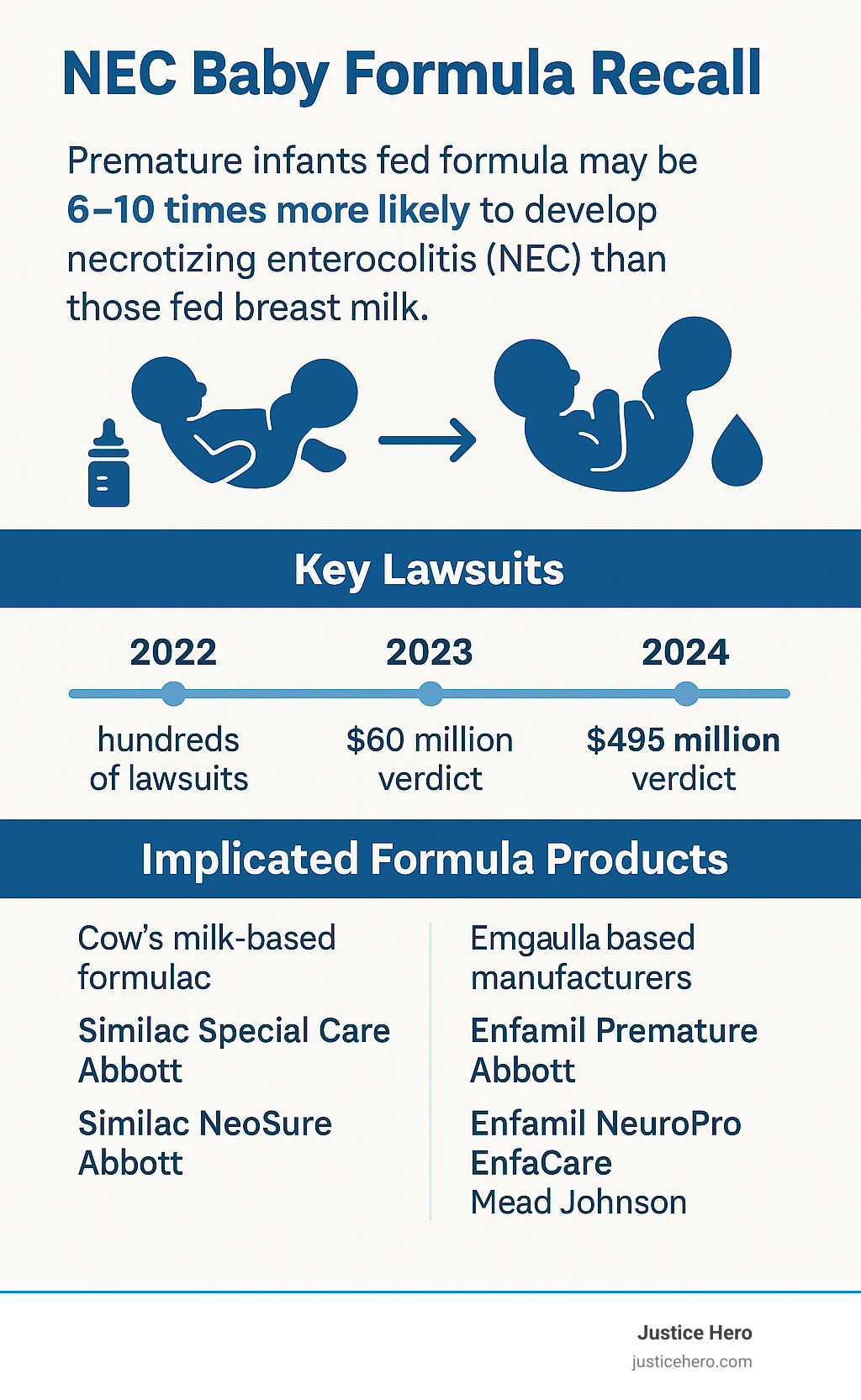
NEC is a serious intestinal disease primarily affecting premature infants, with a mortality rate of approximately 40%. Studies have shown that premature babies fed cow's milk-based formulas may be 6-10 times more likely to develop NEC compared to those fed human milk.

While no formal recall exists, hundreds of families have filed lawsuits against manufacturers like Abbott (Similac) and Mead Johnson (Enfamil), claiming these companies failed to warn about the increased NEC risk. Recent jury verdicts have awarded significant compensation to affected families, suggesting the courts are finding merit in these claims despite the absence of regulatory action.

I'm Tim Burd, founder of Justice Hero, and I've helped thousands of families understand their legal options related to NEC baby formula recall cases through our specialized legal services for product liability claims. My team has extensive experience connecting parents with appropriate legal representation for these complex cases.

Infographic showing NEC risk comparison between formula-fed vs. breast milk-fed premature infants, timeline of key lawsuits, and list of implicated formula products with their manufacturers - NEC baby formula recall infographic

Why This Guide Matters

If you're a parent of a premature infant, this information could be crucial. With approximately 1 in 10 babies born preterm in the United States each year (roughly 400,000 annually), a significant number of infants may be exposed to potential NEC risk through formula feeding.

The stakes are incredibly high. NEC affects 1 to 5% of babies in neonatal intensive care units (NICUs), and its mortality rate is estimated to be around 40%, making it the leading cause of overall infant mortality in the U.S. Additionally, about 50% of infants who survive NEC will develop long-term health complications.

By understanding the relationship between certain formulas and NEC, you can make more informed decisions about your baby's nutrition and take appropriate action if your child has already been affected.

Understanding Necrotizing Enterocolitis (NEC)

When a tiny baby is fighting for their life in the NICU, the last thing parents expect is for their infant's intestines to become infected and start dying. Yet this is exactly what happens with necrotizing enterocolitis (NEC) – a devastating intestinal disease that primarily strikes our most vulnerable babies.

NEC begins with inflammation in the gut that quickly spirals out of control. Bacteria invade the intestinal wall, triggering an inflammatory cascade that damages and eventually kills tissue. As this process continues, the intestinal wall can actually tear open, allowing bacteria to escape into the abdomen and cause a life-threatening bloodstream infection called sepsis.

The mortality rate for NEC is alarmingly high – between 15% to 40% according to research from the Children's Hospital Los Angeles. Even when babies survive, many face lifelong digestive challenges after surgeons remove portions of their damaged intestines.

While doctors don't fully understand why some babies develop NEC and others don't, several risk factors have emerged:

The most dangerous period is typically within the first two to three weeks of life, with the tiniest and most premature infants facing the highest risk. About 10% of premature babies develop this condition, making it a significant concern in NICUs nationwide.

For more comprehensive medical information about this condition, the scientific research on NEC overview from Children's Hospital Los Angeles provides excellent details.

Key Symptoms Parents Should Watch

If your premature baby is receiving formula, being vigilant about potential warning signs of NEC could literally save their life. Trust your parental instincts – you know your baby best.

The most common red flag is a bloated, distended belly that may look shiny or discolored. This happens as gas and inflammation build up in the damaged intestines. Bloody stools are another critical warning sign that should prompt immediate medical attention.

Watch for feeding problems too. Your baby might suddenly struggle during feedings, vomit frequently, or have undigested formula sitting in their stomach hours after eating. Unusual lethargy or decreased activity can indicate your baby isn't feeling well.

Other concerning symptoms include temperature instability, breathing difficulties (including pauses in breathing called apnea), fewer wet diapers than normal, and green vomit, which may suggest intestinal blockage.

Early detection makes an enormous difference in outcomes. If you notice any of these symptoms, especially in a formula-fed premature baby, don't wait – seek medical help immediately. Doctors typically diagnose NEC through physical examination, blood tests, and X-rays that might show air trapped in the intestinal wall or free air in the abdomen (a sign of perforation).

For more detailed information about recognizing the warning signs, visit More info about NEC Baby Formula Symptoms.

While the phrase "NEC baby formula recall" has become common in online discussions, understanding the condition itself is the first step in protecting your child and making informed decisions about their care.

Has There Been an NEC Baby Formula Recall?

Despite growing concerns and significant evidence linking cow's milk-based formulas to higher NEC risk in premature babies, there is currently no official NEC baby formula recall from the FDA or voluntary recalls from manufacturers specifically addressing this risk.

This lack of regulatory action has left many parents confused and worried, especially as lawsuits mount and media coverage increases. I've spoken with countless parents who are trying to make sense of the conflicting information they're hearing.

It's crucial to understand the difference between two separate issues that often get mixed up:

First, the 2022 Abbott (Similac) recall was about bacterial contamination, not NEC risk. In February 2022, Abbott voluntarily recalled certain powdered formulas made at their Michigan facility due to potential Cronobacter sakazakii contamination. This affected specific lots of Similac, Alimentum, and EleCare powdered products, but had nothing to do with the inherent NEC risks we're discussing.

Second, the ongoing concern about cow's milk formulas and NEC risk in premature infants remains unaddressed by recalls. Despite hundreds of lawsuits and substantial scientific evidence, manufacturers haven't voluntarily recalled these products, and the FDA hasn't mandated they do so.

If you're worried about a specific formula, you can check the FDA's recall database or contact the manufacturer directly through their consumer hotline. Many parents find peace of mind by simply knowing which lots might be affected.

Current Status of NEC Baby Formula Recall

As we move through 2024, there is still no NEC baby formula recall in effect. The products most commonly named in NEC lawsuits remain widely available, including:

From Abbott Laboratories, various Similac products continue to be sold, including their Special Care line (20, 24, 24 High Protein, and 30), NeoAlimentum, and Human Milk Fortifier.

Similarly, Mead Johnson's Enfamil products named in lawsuits – including their Human Milk Fortifier, various Premature formulations (20 Cal, 24 Cal, 24 Cal High Protein, and 30 Cal), and NeuroPro EnfaCare – remain on store shelves.

The FDA continues monitoring the situation but hasn't taken specific regulatory action regarding NEC risk. The CDC tracks NEC cases but hasn't issued warnings about cow's milk-based formulas.

It's worth noting that there have been some recent recalls, but they weren't NEC-related. In March 2023, select batches of Nutramigen hypoallergenic formula were voluntarily recalled due to potential bacterial contamination. Similarly, in February 2023, two batches of ProSobee Simply Plant-Based Infant Formula were recalled. These recalls addressed contamination concerns, not NEC risk.

Why No NEC Baby Formula Recall Exists Yet

You might be wondering why, despite all the lawsuits, there's still no NEC baby formula recall. There are several important reasons:

Scientific debate continues around these products. While many studies show a connection between cow's milk formulas and increased NEC risk, manufacturers argue that a definitive causal relationship hasn't been established. They often point to other risk factors like prematurity itself or low birth weight.

The FDA's regulatory threshold for recalls typically involves specific contamination, manufacturing defects, or immediate safety hazards. The NEC risk with cow's milk formulas is considered an inherent property of the product rather than a manufacturing problem.

Formula manufacturers maintain a strong defense of their products, insisting they're safe when used as directed and that their nutritional benefits outweigh potential risks. Both Abbott and Mead Johnson have vigorously defended their products in court.

There's also a complex benefit-risk assessment happening. For many infants, especially those without access to human milk, formula is absolutely necessary for survival. Regulatory agencies must carefully balance known risks against nutritional benefits and alternative availability.

Finally, research is ongoing into the relationship between formula feeding and NEC. Recent studies are examining specific components of cow's milk that might trigger intestinal inflammation in premature babies.

The absence of a recall doesn't mean there's no risk – it reflects the complex regulatory and scientific landscape surrounding this issue. For many families affected by NEC, legal proceedings have become their primary avenue for seeking answers and compensation, rather than waiting for regulatory action that may never come.

Scientific Evidence Linking Cow's-Milk Formula to NEC

The connection between cow's milk-based formulas and NEC isn't new to science—researchers have been uncovering this relationship for over three decades, and the evidence keeps getting stronger.

Back in 1990, a groundbreaking study in The Lancet revealed something that shocked many parents and healthcare providers: babies fed formula were 6-10 times more likely to develop NEC than those receiving breast milk. For our tiniest preemies, this risk skyrocketed even higher—up to 20 times greater.

Fast forward to 2019, when a comprehensive Cochrane review analyzed multiple studies and confirmed what many neonatologists had been observing in NICUs: preterm babies fed formula developed NEC significantly more often than those receiving human milk. The difference wasn't subtle—it was dramatic enough to raise serious questions about feeding practices for our most vulnerable infants.

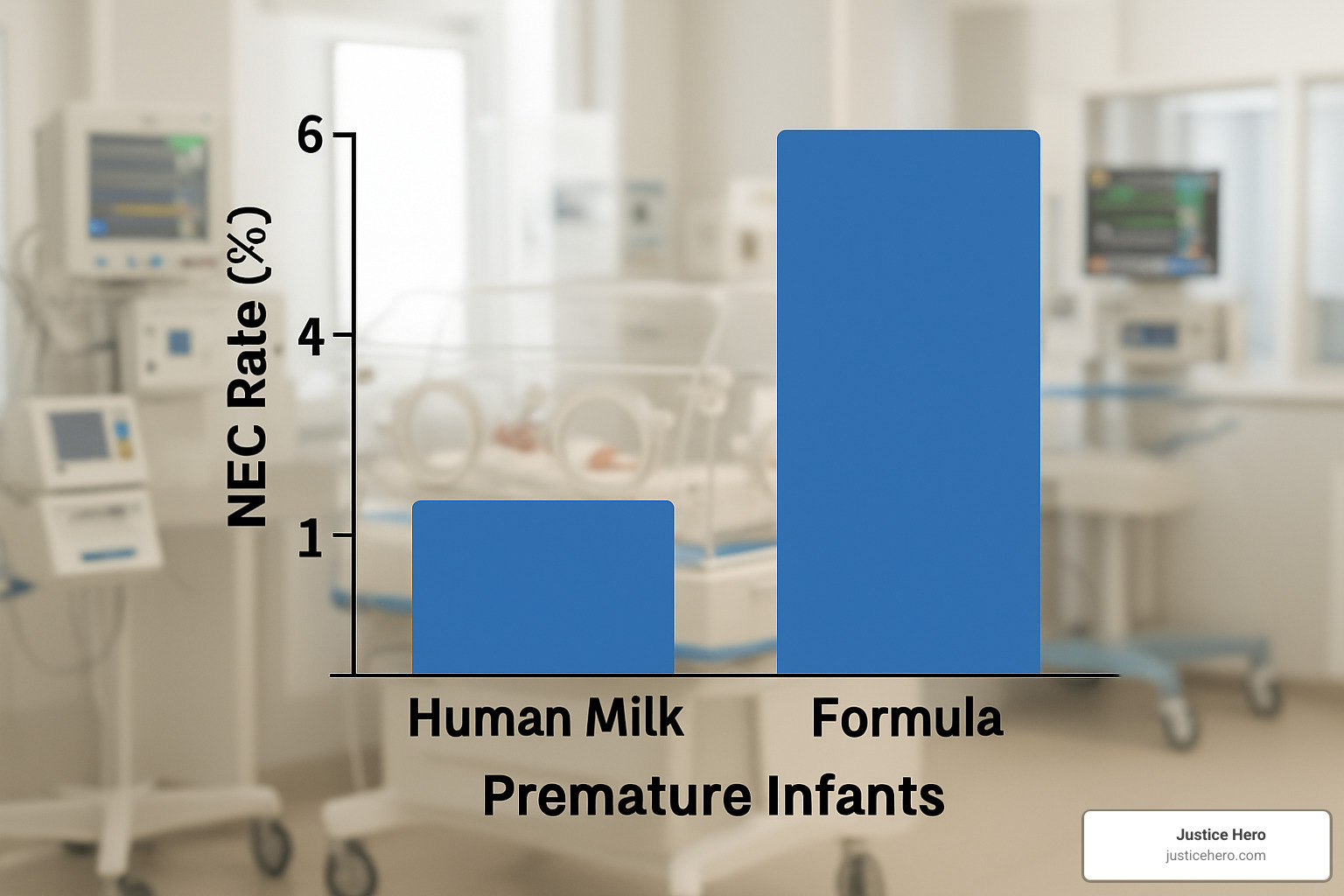
The evidence hasn't stopped mounting. Just recently, in September 2024, the National Institutes of Health (NIH) published a landmark study in JAMA that followed 483 extremely premature babies (born before 32 weeks and weighing under 1,250 grams). The results were clear: only 4.2% of babies fed donated human milk developed NEC, compared to 9% of those given formula—that's more than double the risk.

comparison of NEC rates between formula-fed and human milk-fed premature infants - NEC baby formula recall

These findings haven't gone unnoticed by medical authorities. The American Academy of Pediatrics (AAP) now firmly recommends human milk for all preterm infants. When a mother's own milk isn't available, they advise pasteurized donor human milk as the next best option—not cow's milk-based formula.

So why exactly does cow's milk formula seem to trigger NEC in preemie tummies? Scientists have identified several likely mechanisms:

First, certain components in cow's milk can trigger inflammatory responses in immature intestines. Think of it as introducing a foreign substance that premature digestive systems simply aren't ready to process.

Second, formula fundamentally changes how bacteria colonize a baby's gut. The microbiome that develops with formula feeding looks very different from the one that develops with human milk—and not in a good way for preventing NEC.

Third, human milk contains natural protective factors that fight inflammation and infection. These bioactive components are simply absent in cow's milk formulas, leaving tiny tummies more vulnerable.

Finally, cow's milk proteins may increase intestinal permeability—essentially creating tiny openings that allow bacteria to penetrate the gut wall more easily, potentially initiating the cascade of inflammation that leads to NEC.

Even human milk fortifiers made from cow's milk (products added to mother's milk to boost calories and nutrients) have been implicated in raising NEC risk. Human milk-based alternatives exist but tend to be more expensive and less widely available.

Table of Risk: Formula vs Donor Human Milk

The numbers tell a compelling story about how feeding choices affect NEC risk. Based on the latest research, including the 2024 NIH study:

Feeding Type NEC Incidence Rate Relative Risk
Cow's Milk-Based Formula 9.0% Baseline
Donor Human Milk 4.2% 53% reduction
Mother's Own Milk ~2.0% 78% reduction

These statistics represent a powerful protective effect—babies receiving human milk develop NEC at less than half the rate of formula-fed preemies. That's not just a statistical difference; it translates to real babies avoiding this devastating condition.

Of course, individual risk depends on multiple factors beyond just diet—gestational age, birth weight, and other medical conditions all play important roles. But the NEC baby formula recall controversy centers on this clear pattern that emerges across numerous studies: cow's milk-based formulas consistently show higher NEC rates compared to human milk alternatives.

For parents trying to make informed decisions during an already stressful NICU stay, these findings offer crucial guidance when weighing feeding options for their premature infant.

Legal Landscape: Lawsuits, Not Recalls

While we haven't seen an NEC baby formula recall, the courtrooms have become battlegrounds for affected families seeking justice. As of March 2025, there are 663 active lawsuits consolidated in Multidistrict Litigation (MDL) 3026, all overseen by Judge Rebecca Pallmeyer in Illinois' Northern District.

Parents across the country are standing up to major manufacturers like Abbott (Similac) and Mead Johnson (Enfamil), claiming these companies knew about the NEC risks but failed to warn them or their doctors. It's a David versus Goliath scenario playing out in courtrooms nationwide.

Two recent verdicts have sent shockwaves through the baby formula industry:

In March 2024, a heartbroken family was awarded $60 million after their child died from NEC linked to Mead Johnson's Enfamil formula. Then in July 2024, another family received a staggering $495 million verdict against Abbott after their premature baby suffered severe complications from Similac formula in the NICU.

These verdicts speak volumes. Juries are listening to the evidence and concluding that these companies should have done more to protect vulnerable babies.

The legal process is moving forward through the MDL system, which groups similar cases together for efficiency. Four bellwether trials are scheduled between May 2025 and February 2026. These initial cases will set important precedents and might push manufacturers toward settlement discussions.

To qualify for an NEC lawsuit, you generally need to show that:

  1. Your premature baby received cow's milk-based formula (typically Similac or Enfamil)
  2. Your child developed NEC
  3. There's a connection between the formula and the NEC diagnosis
  4. You file within your state's legal time limits

The evidence needed typically includes medical records documenting the NEC diagnosis, feeding records showing formula use, and expert testimony establishing the connection between the two.

Steps to Take If Your Child Developed NEC

If your little one suffered from NEC after receiving cow's milk formula, here's what you should do:

First, gather all medical records related to your baby's birth, NICU stay, feeding details, NEC diagnosis, and treatments. These documents tell your child's story and form the backbone of any legal claim.

Try to preserve any evidence of the formula used – packaging, receipts, photos of containers, or even notes about which products were given to your baby in the hospital. These details matter tremendously.

Keep careful track of all expenses related to your child's condition. This includes medical bills, travel costs for hospital visits, lost wages from missed work, and any other financial impacts of your child's illness.

Perhaps most importantly, connect with an attorney who specializes in these cases. NEC formula lawsuits require expertise in both product liability and medical issues. Look for someone who has successfully handled similar cases and understands the science behind them. Most attorneys in this field work on contingency, meaning you pay nothing upfront – they only get paid if you win.

Don't wait too long to seek legal help. Statutes of limitations vary by state (typically 1-3 years), and the clock may be ticking on your ability to file a claim. Some states have special provisions for injuries to children, but it's best not to delay.

When you meet with an attorney, be ready to share your baby's birth details, the formulas used, when NEC was diagnosed, treatments received, and any ongoing health issues. Your child's unique situation will shape every aspect of your case.

Potential Compensation and Recent Verdicts

The compensation available in NEC cases typically covers both economic and non-economic damages.

Economic damages include concrete financial losses: medical expenses (both past and future), rehabilitation costs, long-term care needs, lost wages for parents who missed work, and in the most tragic cases, funeral expenses.

Non-economic damages address the human toll: pain and suffering, emotional distress, loss of life enjoyment, and impacts on family relationships.

The recent verdicts – $60 million in Illinois and $495 million in Missouri (including $400 million in punitive damages) – reflect how seriously juries are taking these cases. These amounts recognize both the devastating impacts on families and the need to hold manufacturers accountable.

That said, these headline-grabbing verdicts aren't typical of all cases. Many will settle before trial, often for lower amounts. The upcoming bellwether trials beginning in May 2025 will provide important guidance on how these cases are valued overall.

Several factors influence potential compensation, including the severity of your child's NEC, whether surgery was needed, any long-term health impacts, whether the case involves a death, the strength of evidence linking the formula to NEC, and your state's laws about damages.

If your family has been affected by NEC potentially linked to baby formula, we at Justice Hero can help connect you with experienced attorneys who understand these complex cases. While nothing can undo what happened to your child, the legal system offers a path toward both justice and the financial support needed for ongoing care. More info about NEC Lawyer is available for families ready to take the next step.

Protecting Your Baby Today

While there is no NEC baby formula recall in place, you can still take meaningful steps to protect your premature little one. As a parent, you have options that can significantly reduce the risk of NEC, even without official recalls guiding the way.

Human milk truly is liquid gold for premature infants. If possible, using mother's own milk provides best protection against NEC. The science is clear – a mother's milk contains unique antibodies and nutrients specifically custom to her baby's needs. I've spoken with countless NICU nurses who describe the visible difference they see in babies receiving human milk.

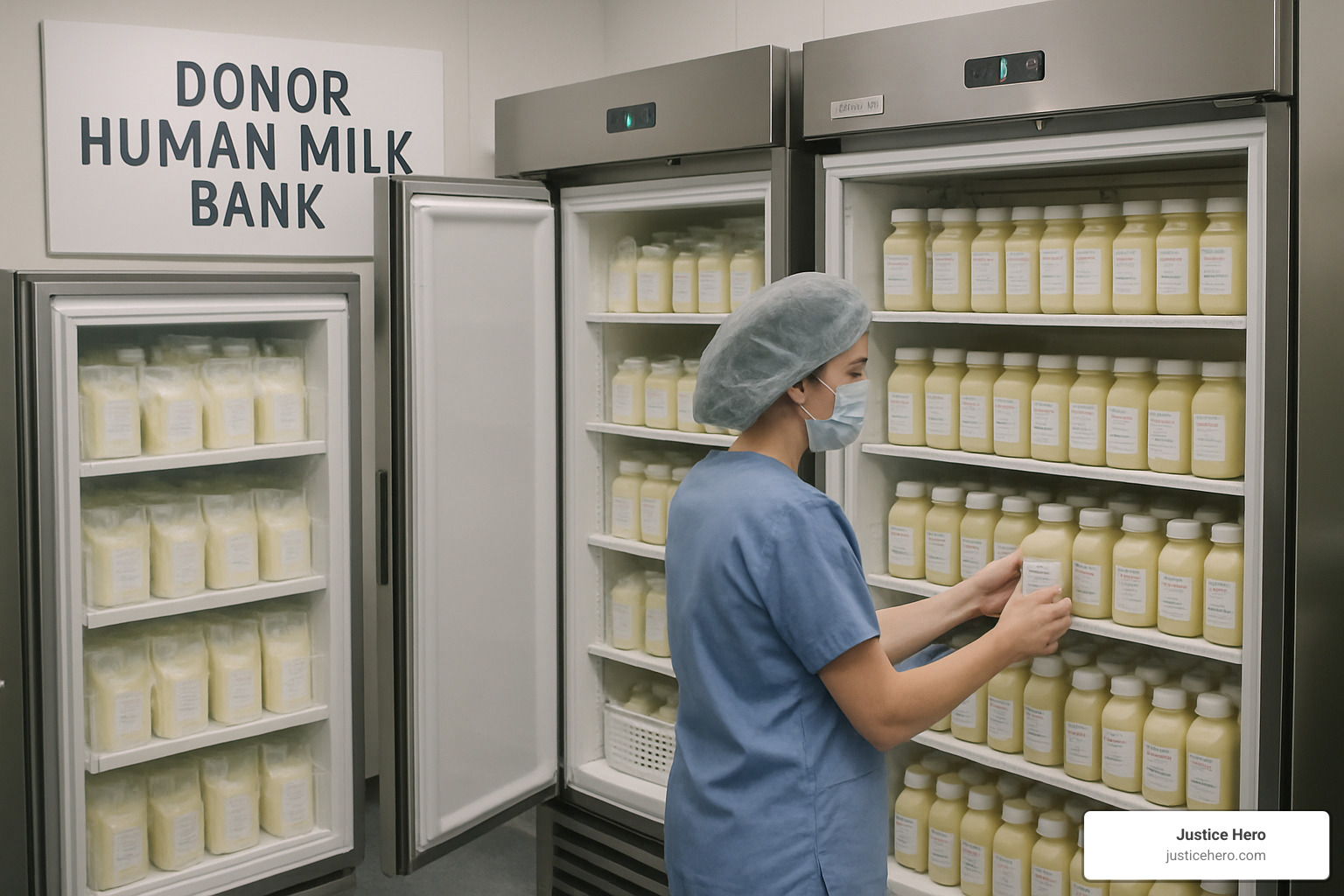
When mother's milk isn't available in sufficient quantities, donor human milk becomes your next best ally. These milk banks are remarkable resources – they carefully screen donors and pasteurize the milk to ensure it's safe while preserving most of its protective properties.

donor human milk bank storage for premature infants - NEC baby formula recall

Don't hesitate to have direct, informed conversations with your healthcare team. You can specifically ask: "What are the NEC risks associated with cow's milk-based formulas for my premature baby?" Most medical professionals appreciate parents who advocate thoughtfully for their children.

If your baby needs additional nutrition beyond what breast milk provides alone, ask about human milk-based fortifiers rather than cow's milk-based ones. These specialized products add extra calories and nutrients while avoiding the proteins that may trigger inflammation in a premature gut.

For babies who cannot receive human milk at all, discuss plant-based formula alternatives with your healthcare provider. While not perfect substitutes, they may present different risk profiles than traditional cow's milk formulas.

The emerging research on probiotics is also worth exploring. Some studies suggest certain probiotic strains may help reduce NEC risk by promoting healthy gut bacteria. Your neonatologist can advise whether this approach might benefit your specific situation.

Always stay vigilant for early NEC warning signs. A bloated tummy, difficulty feeding, or blood in the stool should prompt immediate medical attention. Trust your parental instincts – you know your baby best.

Finally, don't be afraid to ask about your NICU's feeding protocols. Many hospitals have updated their practices based on recent evidence about NEC prevention. A simple question like "What's your unit's approach to reducing NEC risk?" can lead to informative conversations.

These feeding decisions should always be made alongside healthcare providers who understand your baby's unique needs and medical history.

How to Check If Your Formula Is Involved

Though there's no NEC baby formula recall specifically addressing the NEC risk, staying informed about other recalls (like those for contamination) remains important. Here's how to verify if your formula is affected by any current recalls:

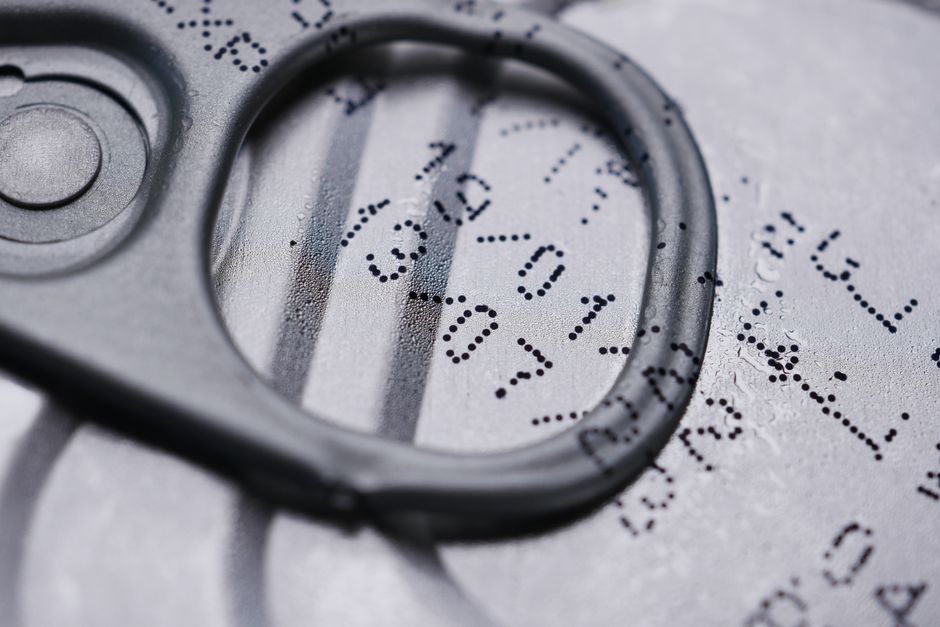
Formula cans have crucial identifying information printed on them – lot numbers and expiration dates appear on the bottom or side of containers. These codes are your key to tracking whether your specific products are involved in any recalls.

baby formula can with lot number and expiration date highlighted - NEC baby formula recall

Both major manufacturers maintain dedicated recall resources. Abbott (maker of Similac) offers an online tool at Abbott's recall website where you can enter your product's lot number for instant verification. Similarly, Mead Johnson (Enfamil) provides recall information through their consumer relations page.

The FDA's searchable database at FDA.gov/recalls offers another reliable way to check for formula recalls. I recommend bookmarking this site for quick reference.

For ongoing peace of mind, consider registering for FDA safety alerts or subscribing to manufacturer notifications. This ensures you'll receive timely information about any future recalls without having to constantly check websites.

If you prefer speaking directly with someone, manufacturer hotlines can be helpful resources:
- Abbott/Similac: 1-800-986-8540
- Mead Johnson/Enfamil: 1-800-222-9123

Your pediatrician or hospital may also have specialized information about recalls affecting their patients. During your next visit, a quick "Have there been any formula recalls I should know about?" can yield valuable insights.

It's worth remembering that the current NEC litigation focuses on an inherent risk in cow's milk-based formulas rather than manufacturing defects or contamination issues that typically trigger recalls. This explains why, despite the lawsuits, we haven't seen an official NEC baby formula recall.

Frequently Asked Questions about the NEC Baby Formula Recall

What exactly is the "NEC baby formula recall" everyone talks about?

You've probably heard the term "NEC baby formula recall" in news articles or social media posts, which naturally leads to confusion. Let me clear this up: despite how commonly this phrase is used, there is currently no official recall of baby formulas specifically due to NEC risk.

What's actually happening is a wave of litigation against formula manufacturers. Hundreds of families have filed lawsuits alleging that companies like Abbott and Mead Johnson failed to warn parents and healthcare providers about the increased risk of NEC when premature infants consume cow's milk-based formulas.

The confusion is understandable, especially since Abbott did issue a recall in February 2022 for certain Similac, Alimentum, and EleCare powdered formulas. However, that recall was due to potential Cronobacter contamination at their Michigan facility – a completely separate issue from the NEC concerns.

So while "NEC baby formula recall" has become shorthand for this whole situation, it's important to understand that no regulatory agency has issued a recall specifically addressing the NEC risk at this time.

Could future scientific findings trigger an NEC baby formula recall?

It's certainly possible that stronger scientific evidence could eventually lead to regulatory action. The research linking cow's milk-based formulas to increased NEC risk in premature infants continues to grow more compelling each year.

If upcoming large-scale studies provide even more definitive evidence or identify specific components in cow's milk formulas that directly cause NEC, the FDA might feel compelled to act. The outcomes of the ongoing litigation could also place pressure on regulatory agencies to take a closer look at these products.

That said, a complete recall seems less likely than other regulatory responses. We might instead see new mandatory warning labels, updated usage guidelines for premature infants, or manufacturers voluntarily reformulating their products while keeping them on market. The science and legal landscape are both evolving rapidly, so parents should stay informed through reliable sources.

How long do I have to file an NEC-related claim if no recall occurs?

Timing matters tremendously in these cases, but the rules vary widely depending on where you live. Here's what you need to know about the statute of limitations for NEC claims:

First, state laws differ significantly – most allow between 1-3 years to file product liability claims, but the clock starts ticking at different points. Many states apply what's called a "findy rule," meaning your timeline begins when you first knew (or reasonably should have known) that the formula might have caused your child's NEC.

For children, there's often additional protection. Most states "toll" (pause) the statute of limitations until a child reaches 18, potentially giving you much more time to file. And if your child tragically died from NEC complications, different deadlines apply to wrongful death claims – typically 2-3 years from the date of death.

Given these complexities, I strongly recommend talking with an attorney who specializes in NEC formula cases as soon as possible. Even if your child's diagnosis happened years ago, you may still have valid legal options available to you. Most NEC attorneys offer free consultations and work on contingency, meaning you pay nothing unless they win your case.

Conclusion

The story of the NEC baby formula recall – or rather, the lack of one – reveals a troubling gap between scientific evidence and regulatory action. While researchers have established clear links between cow's milk-based formulas and increased NEC risk in premature infants, no official recall has been issued. Instead, affected families have had to seek justice through the courts, where recent verdicts suggest judges and juries recognize what regulatory agencies haven't yet addressed.

For parents of premature babies, this information isn't just academic – it's potentially life-saving. The evidence paints a clear picture: human milk, whether from mom or a donor, offers significant protection against this devastating condition compared to cow's milk formulas. This knowledge empowers you to advocate for your little one's safest feeding options, even when official warnings are absent.

If your child developed NEC after being fed cow's milk-based formula, please know you're not alone. The recent verdicts awarding $60 million and $495 million to affected families show that the legal system is beginning to hold manufacturers accountable for failing to warn about these serious risks. Your family may have similar options, despite the absence of an official recall.

Here at Justice Hero, we see the human side of this issue every day. Behind every statistic is a family whose world was turned upside down when their tiny baby developed this serious condition. While we can't undo what happened, we can help you understand your rights and connect you with resources to seek the justice and compensation your family deserves.

Time limits apply to these claims, so reaching out to an experienced attorney promptly is crucial if you believe your child's NEC may be related to formula use. Our team is standing by to provide guidance and connect you with specialized legal representation custom to your unique situation.

For a free case review or to learn more about NEC lawsuits, visit our dedicated resource page about NEC Lawsuit or contact our team directly. We're here to walk alongside you through this challenging journey, translating complex legal matters into clear next steps as you seek the justice your family deserves.